How to remember what you ordered at a restaurant
Keep a simple record of restaurant dishes, order changes and repeat picks. Find the meal you liked before your next visit without logging every detail.

Palytt Team
Want dish picks for your own taste? Download on the App Store · Android is coming

To remember what you ordered at a restaurant, save the dish name, restaurant location and one repeat-order verdict before you forget the meal. Add a photo or receipt when it helps identify the exact order, and note any change you requested. On your next visit, look up that record before opening the menu so you can repeat a favorite or choose something different deliberately.
What should a restaurant order record include?
A practical record needs enough detail to distinguish the dish from everything else you ate that day. “Great noodles” may describe several meals. “Mushroom udon at the station branch, extra scallions, would order again” points back to one plate.
Start with four details:
- The restaurant name and location.
- The dish name from the menu or receipt.
- A change that affected the order, such as sauce on the side.
- Whether you would order it again, with one reason.
You can add the date and company if those help you recognize the visit. They are optional context, not a requirement for a useful food journal. A short note that exists is more useful than a complete template you never fill in.
Separate each dish when you ate several. A tomato salad may have been the part you would repeat even if you found the mushroom pizza too heavy. One overall restaurant verdict hides that distinction.
When is the easiest time to record a meal?
Choose a moment that fits how you eat. You might take a quick photo before starting, write the note while waiting for the bill or record it after leaving. If you prefer to keep the phone away during dinner, a receipt can help you complete the record later.
Do not turn the meal into a documentation session. One clear picture and a brief verdict are enough for most return visits. If friends would rather eat immediately, let the food reach the table and make your note afterward.
For a shared meal, write what you personally tried. You may have tasted the vegetable dumplings and cucumber salad without trying the pork noodles. That is still a useful record; it does not need to stand in for the whole table's meal.
Before putting a friend's name, photo or quoted opinion in a shared post, ask whether they are comfortable with it. A private reminder and a public recommendation can need different levels of detail.
How do photos and receipts help identify an order?
A photo helps you remember presentation and portions, but it often misses the official dish name. Add the name while you still have the menu. If several bowls look alike, one line of text can stop you from confusing a sesame noodle order with a peanut sauce variation.
A receipt can identify items, quantities and order changes, although abbreviated names may still need interpretation. Review the result of any scan rather than treating extracted text as a perfect record. A shared receipt may include dishes you never tasted.
Remove payment details and other personal information before sharing a receipt image. For your own journal, use only the information you need to recognize the meal. The receipt's restaurant and dish lines are usually more useful than its transaction details.
If the picture is dark or you forgot to photograph the plate, write the record anyway. A remembered order should help you choose again; it does not need to look like a polished restaurant review. Our food photography guide focuses on clear, useful pictures.
What makes a repeat-order note useful?
Write one observation about the dish rather than a broad compliment. “Would repeat: crisp edges and a bright lemon sauce” tells your future self more than “amazing.” “Skip next time: sauce was sweeter than I wanted” explains a preference without claiming that everybody should dislike it.
A good note can distinguish the dish from the situation. You might have liked a rich tonkotsu ramen at dinner but prefer a lighter broth for lunch. Write that context if it matters: “Would repeat when I want a substantial bowl.”
Keep requested changes visible. If a sandwich worked because you asked for the dressing separately, that detail belongs in the record. If the change was only available that day, ask again next time rather than assuming it is a permanent menu option.
For more wording examples, see how to rate a restaurant dish. That guide helps describe a verdict; your order record also needs the place and exact item so you can retrieve it later.
How should you organize restaurant dishes for later?
Use one place for the records whenever possible. Splitting photos across a camera roll, messages and several notebooks makes a return visit harder to prepare for. Choose a format you can search by restaurant or dish.
For a notes app, make the restaurant name the first line and put each visit underneath it. Include the branch if there are several locations. A business name alone may not distinguish the café near work from the one you visited on holiday.
A copyable note can stay this short: “Station branch, October 4: mushroom udon, extra scallions. Would repeat for the chewy noodles; ask for the sauce separately next time.” Use your actual dish name and visit date. Search by the restaurant before returning, then read the verdict before choosing an order.
Keep tried meals separate from future ideas. A saved screenshot of a pastry is not evidence that you ate it. When planning dinner, you should be able to tell which entries are recommendations you want to test and which are your own repeat picks.
Add lightweight labels only when they solve a real problem. “Quick lunch,” “shared dinner” and “dessert” may help a busy shortlist. Dozens of categories can take more effort than finding the order they are supposed to organize.
What should you check before repeating an old order?
Look up your note, then check the restaurant's current menu. Dish names, ingredients, prices and availability can change. Your previous record describes the earlier visit; it cannot confirm what will arrive today.
If you liked the plate because of a particular quality, ask a focused question. “Is this still served with the lemon dressing?” is easier to answer than “Will it be the same as last year?” Keep ingredient or preparation requirements explicit and confirm them directly with staff.
An old favorite is one option, not a commitment. Compare it with what you want now. You can order the mushroom udon again, try the broth version or choose a different meal while keeping the earlier verdict intact.
How can Palytt help?
Palytt's restaurant tracking journal keeps dish records attached to restaurants on your profile and food map. You can rate a dish or mark a repeat-order verdict, and menu or on-device receipt scans can help with recording. Order Guides show relevant dish information where available. Palytt does not automatically log every restaurant visit, calculate nutrition or guarantee current menus and prices. Review what you record and check live details with the restaurant.
FAQ
Can I keep a restaurant order journal without photos?
Yes. A dish name, restaurant and short verdict can be enough. Add a picture when it helps identify the plate, but do not let missing photos stop you from recording a meal.
Should I track every restaurant dish I eat?
Choose the level that helps you. You can record favorites, disappointing orders you want to avoid repeating or unfamiliar dishes you want to remember. There is no need to document every bite.
Is a restaurant journal the same as a nutrition diary?
No. A restaurant journal can focus on dishes, places and repeat-order preferences. If you need calories, nutrients or health records, choose a tool designed for that purpose.
Tags
Related articles

How to rate a restaurant dish so the note helps next time
Rate the dish you ate, decide whether you would order it again, and record one specific reason. Use this simple method to make future menu choices easier.
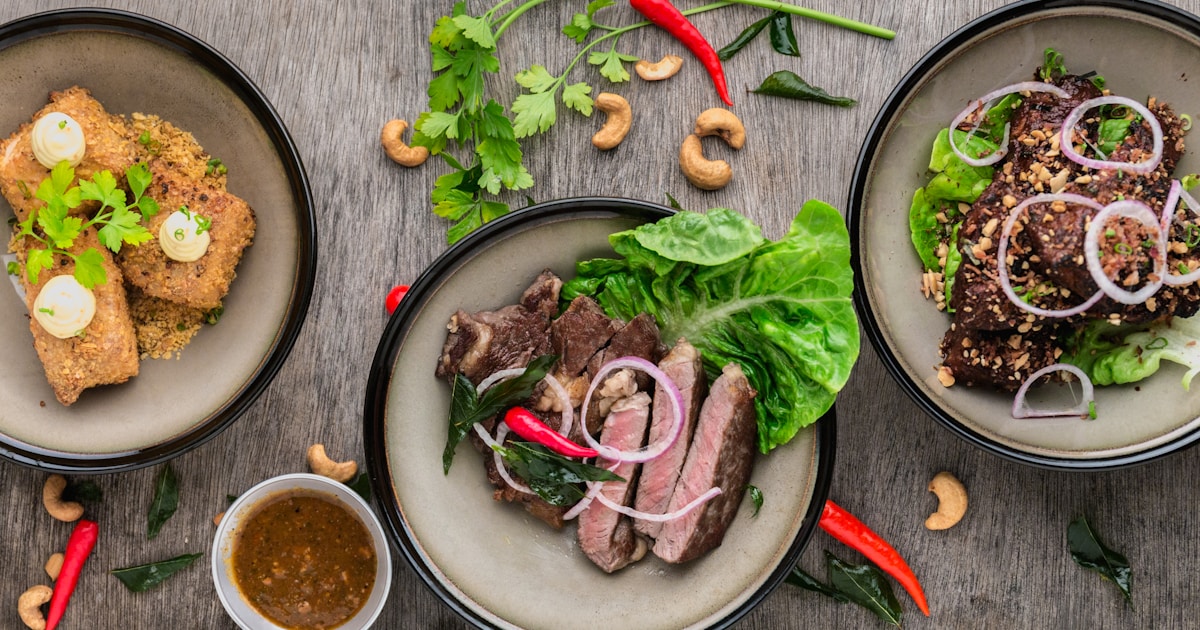
How to find restaurants similar to your favorite
Find restaurants like your favorite by matching the dish, texture, sauce and occasion you love, then checking menus before trusting a similar rating.
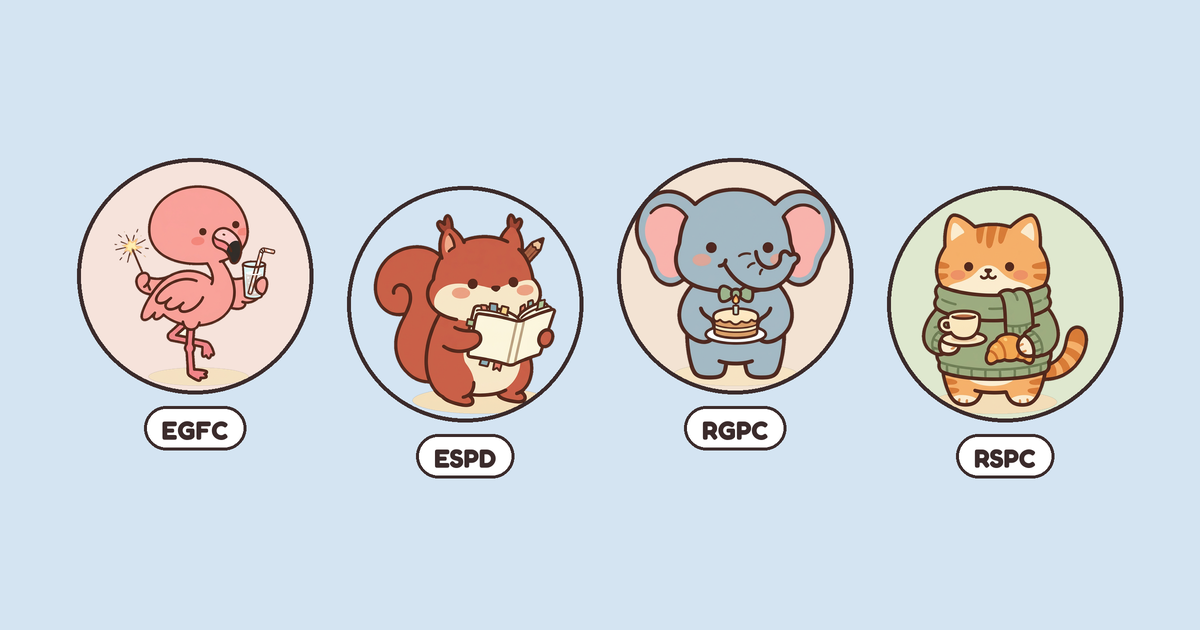
What's your Palytt pal? The 16 food personality types, explained
Four letters for how you eat and one for how bold you like it. Meet the 16 food personality types, their four families and the character behind each one.
Know what to order, everywhere
Palytt is free to download on the App Store for iPhone and iPad. Android app coming soon.
Download on the App Store