Udon vs ramen: which noodle soup should you order?
Udon is thick wheat noodles in a lighter broth; ramen is thinner wheat noodles in a richer seasoned soup. Compare texture, broth and toppings before you order.

Palytt Team
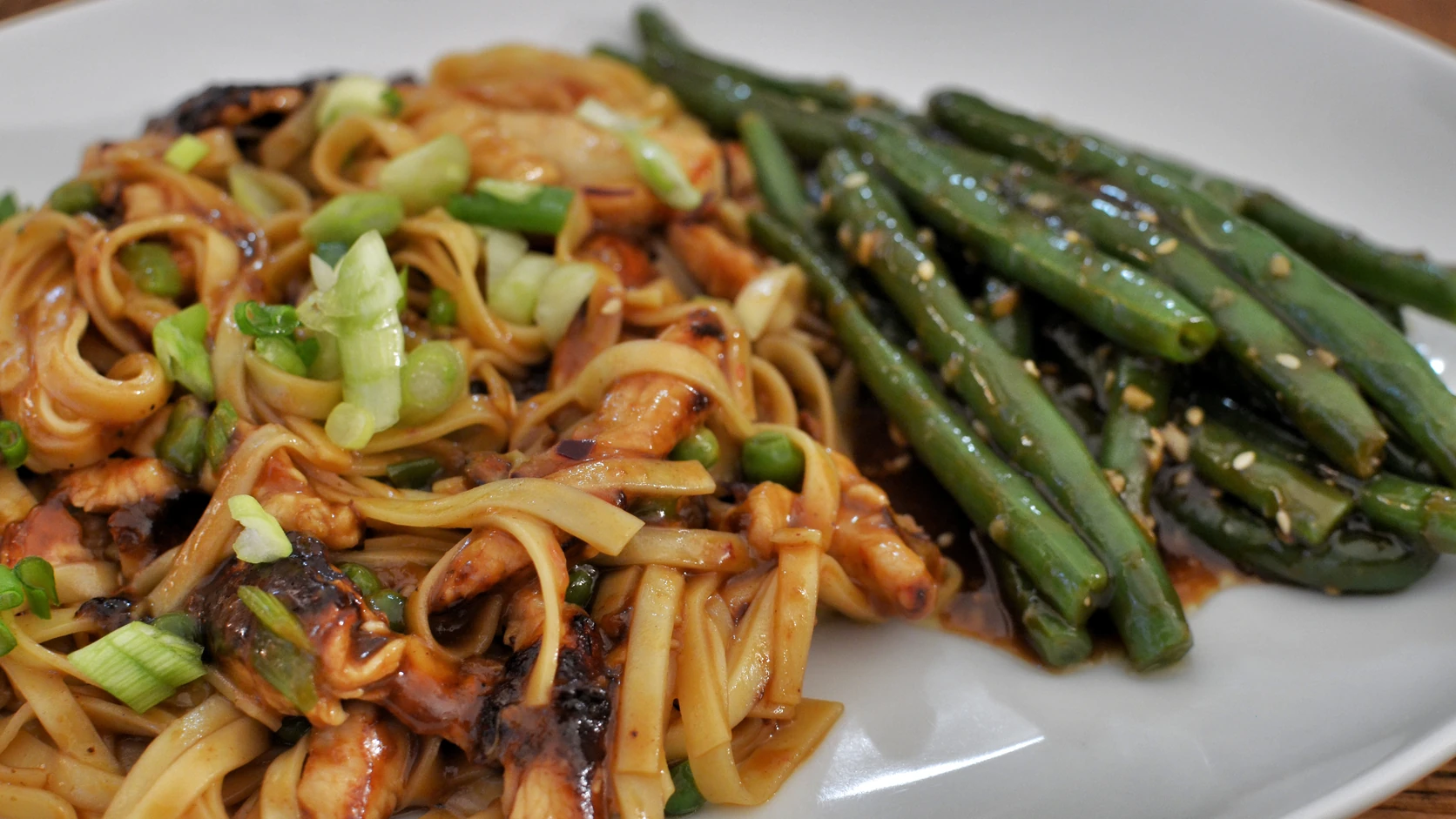
Choose udon when you want thick, chewy wheat noodles in a relatively clear or lightly seasoned broth, often with a simple topping set. Choose ramen when you want thinner wheat noodles in a richer, more heavily seasoned soup with a wider topping mix. Both are Japanese noodle soups served hot in most US shops, but the noodle thickness, broth style and seasoning intensity usually differ. Ask what the kitchen means by each name, because house styles vary.
Udon vs ramen at a glance
| What to compare | Udon | Ramen |
|---|---|---|
| Noodle | Thick, chewy wheat noodles | Thinner wheat noodles; firmness varies by shop |
| Broth character | Often lighter dashi-led or clear soup | Often richer, more seasoned (shoyu, shio, miso, tonkotsu and others) |
| Typical toppings | Tempura, green onion, soft egg, meat or tofu depending on the shop | Chashu, egg, nori, menma, scallion and other toppings |
| How it eats | Noodle-forward chew with a milder soup | Broth-forward or balanced, depending on style |
| How to order | Name the udon style and ask about broth and toppings | Name the broth style and ask about noodle firmness and toppings |
These are menu-reading patterns, not fixed recipes. Japan's tourism board describes regional noodle traditions across udon, soba and ramen families. A single restaurant may still redefine any of those labels.
What is the difference between udon and ramen?
The practical difference most diners notice first is the noodle. Udon noodles are thick and chewy. Ramen noodles are thinner and often springier, though some shops cut them wider. If chew is your priority, start with the udon options; if you want a thinner noodle that drinks more broth per bite, start with ramen.
Broth is the second difference. Many udon bowls use a lighter dashi-based soup. Ramen menus commonly list named broth styles such as shoyu, shio, miso or tonkotsu, which can taste saltier, richer or more aromatic. That does not mean every ramen is heavy or every udon is mild. Ask how the kitchen describes its soup rather than assuming the name alone.
Toppings also diverge by tradition and by shop. Ramen often arrives with a denser topping set. Udon may keep toppings simpler so the noodle texture stays central. Neither pattern is a rule; read the description and ask what is included. Cold or dipping formats exist for both families in some restaurants, so confirm temperature if the menu is unclear.
Which one should you order tonight?
Start with texture. If you want a thick, satisfying chew, look at udon first. If you want a thinner noodle and a more seasoned broth, look at ramen first. Then check the broth description: clear and light versus creamy, spicy or deeply savory.
For a shared table, one udon and one ramen can cover two different preferences without forcing a compromise bowl. Use our ramen shop ordering guide when the menu is mostly ramen styles. If you are choosing across noodle soups from more than one cuisine, how to order pho is a useful third reference point for broth and herb preferences.
After a heavy holiday meal, a lighter udon broth can feel clearer, while a miso or shoyu ramen can feel more warming. Those are starting preferences, not nutrition advice.
How should you order udon or ramen?
Name the noodle dish, then the broth or style, then any topping changes you care about. Ask whether the egg, meat or tempura is included. If spice level matters, ask whether heat comes from the broth, a chili oil or a side condiment.
If you are comparing two bowls, decide whether you care more about noodle chew or broth richness before the server returns. That one preference usually settles the choice faster than debating every topping. For takeout, ask how the shop packs noodles and broth if you want to keep texture under control.
What should you check for allergies and dietary needs?
Wheat is common in both noodle types. Broths may use fish, pork, chicken or beef stocks. Eggs, sesame, soy and gluten-containing sauces are frequent. Vegetarian or vegan labels need confirmation from staff, especially when a shared kitchen prepares meat broths.
Neither dish name guarantees a gluten-free noodle, a pork-free broth or freedom from cross-contact. Ask about ingredients and preparation when those requirements matter.
How can Palytt help you choose?
Palytt helps you remember bowls you want to reorder and compare available dish context when an Order Guide exists for the place. This article explains common udon and ramen menu patterns, not the broth or toppings at a specific shop. Confirm today's ingredients with the restaurant. Editorial flavor neighbors for ramen styles also appear on food matches for tonkotsu ramen and udon.
FAQ
What is the difference between udon and ramen?
Udon uses thick wheat noodles and often a lighter broth. Ramen uses thinner wheat noodles and often a richer, more heavily seasoned soup. Toppings and house styles vary by restaurant.
Is udon healthier than ramen?
Neither name is a nutrition label. Broth richness, portion size and toppings change the meal. Ask the restaurant about ingredients if you are tracking a specific need.
Can I order udon if I usually like ramen?
Yes. Start with an udon bowl whose toppings look familiar, then notice the thicker noodle chew and typically lighter soup. Prefer the opposite direction if you usually order udon and want a more seasoned broth.
Do ramen and udon use the same noodles?
No. They are different wheat noodle styles. A shop may still cut noodles to its own preference, so ask if texture matters to you.
Which is better for a group?
Order both styles if the table wants different textures. Agree on spice and sharing rules before the food arrives rather than splitting one bowl after the fact.
Ordering guides by restaurant
Know where you’re eating? Pick a restaurant or cuisine for dishes, sides and ways to adjust your order.
Tags
Related articles

What to order at a ramen shop: broths and toppings
Start with a shoyu or tonkotsu bowl and a marinated egg, pick shio for light or miso for hearty, and add gyoza. The ramen styles, toppings and etiquette explained.

How to order pho: beef cuts, chicken and first orders
Order pho with confidence: choose beef or chicken, decode cuts such as brisket, tendon and tripe, then add herbs and sauces after tasting the broth.

Pho vs ramen: which noodle soup should you order?
Pho is a clear, herby Vietnamese rice-noodle soup; ramen is a Japanese wheat-noodle bowl, light or rich. Compare broth, noodles and what to order.
Know what to order, everywhere
Palytt is free to download on the App Store for iPhone and iPad. Android app coming soon.
Download on the App Store




At the table
Questions, ordering tips and experiences. Comments are public and separate from dish ratings.
Sign in to comment. Your display name and comment will be public.